 IBF405 International Banking
Syllabus | International University of Sarajevo - Last Update on Jan 01, 2026

Syllabus Quick Jump
Search and navigate to any syllabus instantly
International Business and Finance
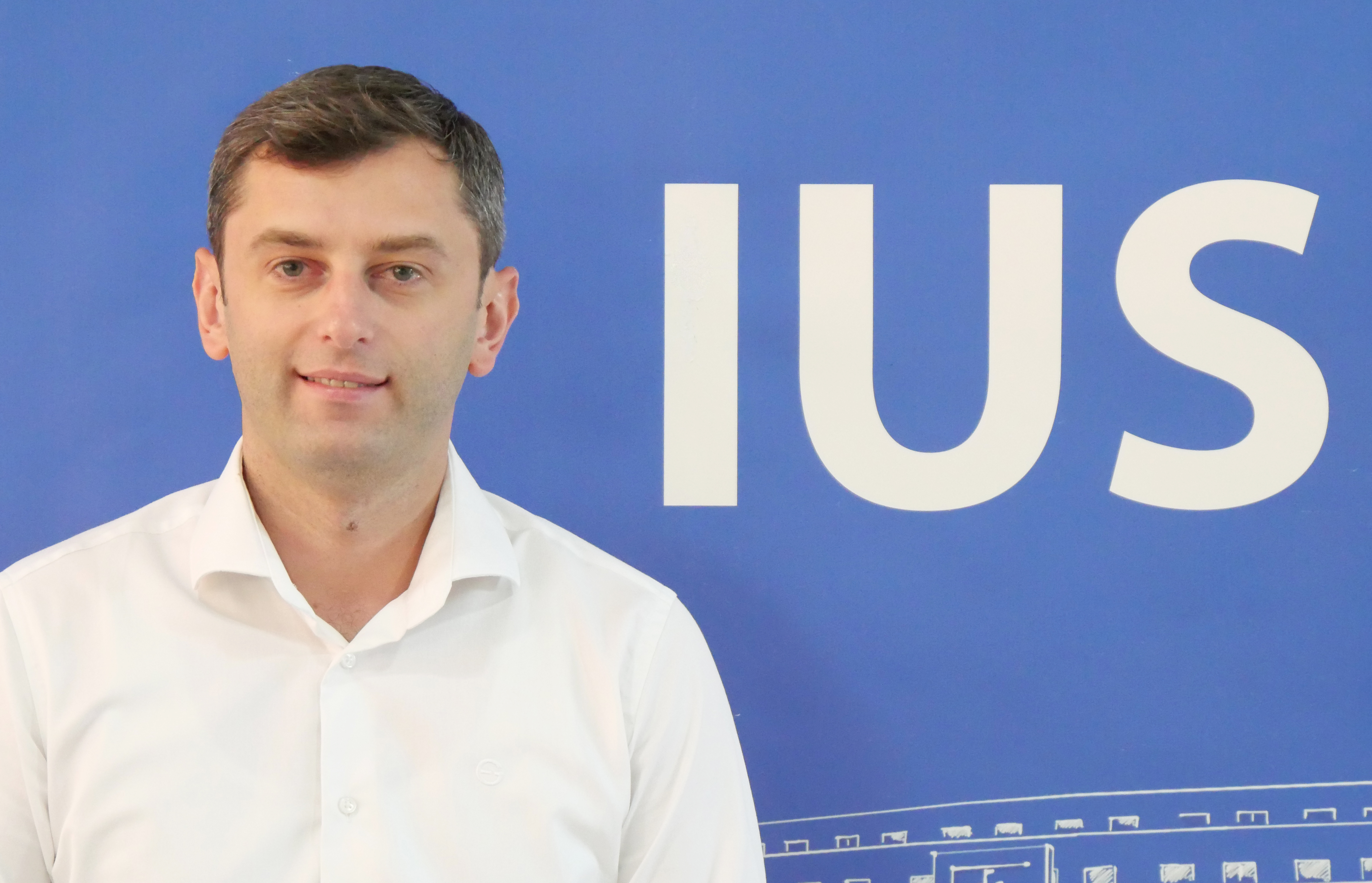
Admir Mešković
Course Lecturer
Course Objectives
1. Evaluate the role of banks in global financial markets. 2. Critique how regulation and supervision affect international banking activities. 3. Synthesize knowledge of banking operations to explain challenges such as risk, globalization, and competition. 4. Design practical approaches for assessing capital, liquidity, and cross-border risks. 5. Develop insights into the causes and consequences of financial crises and bank failures. 6. Formulate strategies for managing foreign exchange and credit risks in international banking. 7. Propose recommendations for improving stability and efficiency in international banking. 8. Justify decisions in case studies by using data, theory, and ethical reasoning. 9. Integrate international banking knowledge with wider economic and policy developments.
Learning Outcomes
After successful completion of the course, the student will be able to:
Course Materials
Required Textbook
Casu, B., Girardone, C., & Molyneux, P. (2022). Introduction to Banking (3rd ed.). Pearson Education Limited.
Additional Literature
Stay Competitive in the Digital Age: The Future of Banks, Miss Estelle X Liu, IMF Working Paper, February 2021Teaching Methods
Weekly Topics
| Week | Topic | Readings / References |
|---|---|---|
| 1 | Introductory class | NA |
| 2 | What is special about banks? | Chapter 1 |
| 3 | Bank Activities and Services | Chapter 2 |
| 4 | Types of banking | Chapter 3 |
| 5 | International Banking | Chapter 4 |
| 6 | International Banking, QUIZ | Chapter 4 |
| 7 | Islamic Banking | Chapter 5 |
| 8 | MID TERM EXAM | NA |
| 9 | Central Banking | Chapter 6 |
| 10 | Bank Failures and Banking Crises | Chapter 8 |
| 11 | Banking In Europe | Chapter 14 |
| 12 | Emerging markets | Chapter 17 |
| 13 | Project presentations | NA |
| 14 | Mergers and Acquisitions | Chapter 19 |
| 15 | Final exam review | NA |
Course Schedule (All Sections)
| Section | Type | Day 1 | Venue 1 | Day 2 | Venue 2 |
|---|---|---|---|---|---|
| IBF405.1 | Course | Friday 09:00 - 11:50 | B F1.22 | - | - |
Office Hours & Room
| Day | Time | Office | Notes |
|---|---|---|---|
| Monday | 14:00 - 15:00 | IUS Campus |
Assessment Methods and Criteria
Assessment Components
Final Exam
AI: Not AllowedAlignment with Learning Outcomes : 1 2 3 4
Midterm Exam
AI: Not AllowedAlignment with Learning Outcomes : 1 2 3 4
Quiz
AI: Not AllowedAlignment with Learning Outcomes : 1 2 3 4
Participation
AI: Not AllowedAlignment with Learning Outcomes : 1 2 3 4
Group project
AI: Not AllowedAlignment with Learning Outcomes : 1 2 3 4
IUS Grading System
| Grading Scale | IUS Grading System | IUS Coeff. | Letter (B&H) | Numerical (B&H) |
|---|---|---|---|---|
| 0 - 44 | F | 0 | F | 5 |
| 45 - 54 | E | 1 | ||
| 55 - 64 | C | 2 | E | 6 |
| 65 - 69 | C+ | 2.3 | D | 7 |
| 70 -74 | B- | 2.7 | ||
| 75 - 79 | B | 3 | C | 8 |
| 80 - 84 | B+ | 3.3 | ||
| 85 - 94 | A- | 3.7 | B | 9 |
| 95 - 100 | A | 4 | A | 10 |
Late Work Policy
Information about late submission policies will be shared during class and posted in this section. Please check back for official guidelines.
ECTS Credit Calculation
📚 Student Workload
This 6 ECTS credit course corresponds to 150 hours of total student workload, distributed as follows:
Lecture Hours
45 hours ⏳ (15 week × 3 h)
Home Study
45 hours ⏳ (15 week × 3 h)
Quiz
20 hours ⏳ (1 week × 20 h)
Midterm Exam Study
20 hours ⏳ (1 week × 20 h)
Final Exam Study
20 hours ⏳ (1 week × 20 h)
150 Total Workload Hours
6 ECTS Credits
Course Policies
Academic Integrity
All work submitted must be your own. Plagiarism, cheating, or any form of academic dishonesty will result in disciplinary action according to university policies. When in doubt about citation practices, consult the instructor.
Attendance Policy
Students are expected to adhere to the attendance requirements as outlined in the International University of Sarajevo Study Rules and Regulations. Excessive absences, whether excused or unexcused, may impact academic performance and eligibility for assessment. Mandatory sessions (e.g., labs, workshops) require attendance unless formally exempted. For detailed policies on absences, documentation, and penalties, please refer to the official university regulations.
Technology & AI Policy
Laptops/tablets may be used for note-taking only during lectures. Phones should be silenced and put away during all class sessions. Audio/video recording requires prior permission from the instructor.
Artificial Intelligence (AI) Usage: The use of AI tools (e.g., ChatGPT, Copilot, Gemini) varies by assessment component. Please refer to the AI usage indicator next to each assessment item in the Assessment Methods and Criteria section above. Submitting AI-generated content as your own work, where AI is not explicitly allowed, constitutes an academic integrity violation.
Communication Policy
All course-related communication should occur through official university channels (institutional email or SIS). Emails should include [IBF405] in the subject line.
Academic Quality Assurance Policy
Course Academic Quality Assurance is achieved through Semester Student Survey. At the end of each academic year, the institution of higher education is obliged to evaluate work of the academic staff, or the success of realization of the curricula.
Learning Tips
Be prepared to contribute thoughtfully during class discussions, labs, or collaborative work. Active participation deepens understanding and encourages critical thinking.
Complete assigned readings or prep materials before class. Take notes, highlight key ideas, and jot down questions. Aim to grasp core concepts and their applications—not just facts.
Use course frameworks or methodologies to analyze problems, case studies, or projects. Begin early to allow time for reflection and refinement. Seek feedback to improve your work.
Don’t hesitate to reach out when something is unclear. Use office hours, discussion boards, or peer networks to clarify concepts and stay on track.
Syllabus Last Updated on Jan 01, 2026 | International University of Sarajevo
Print Syllabus
Referencing Curricula Print this page
| Course Code | Course Title | Weekly Hours* | ECTS | Weekly Class Schedule | ||||||
| T | P | |||||||||
| IBF405 | International Banking | 3 | 0 | 6 | Friday 9:00-11:50 | |||||
| Prerequisite | Junior Standing | It is a prerequisite to | - | |||||||
| Lecturer | Admir Mešković | Office Hours / Room / Phone | Monday: 14:00-15:00 |
|||||||
| ameskovic@ius.edu.ba | ||||||||||
| Assistant | Assistant E-mail | |||||||||
| Course Objectives | 1. Evaluate the role of banks in global financial markets. 2. Critique how regulation and supervision affect international banking activities. 3. Synthesize knowledge of banking operations to explain challenges such as risk, globalization, and competition. 4. Design practical approaches for assessing capital, liquidity, and cross-border risks. 5. Develop insights into the causes and consequences of financial crises and bank failures. 6. Formulate strategies for managing foreign exchange and credit risks in international banking. 7. Propose recommendations for improving stability and efficiency in international banking. 8. Justify decisions in case studies by using data, theory, and ethical reasoning. 9. Integrate international banking knowledge with wider economic and policy developments. |
|||||||||
| Textbook | Casu, B., Girardone, C., & Molyneux, P. (2022). Introduction to Banking (3rd ed.). Pearson Education Limited. | |||||||||
| Additional Literature |
|
|||||||||
| Learning Outcomes | After successful completion of the course, the student will be able to: | |||||||||
|
||||||||||
| Teaching Methods | ||||||||||
| Teaching Method Delivery | Face-to-face | Teaching Method Delivery Notes | ||||||||
| WEEK | TOPIC | REFERENCE | ||||||||
| Week 1 | Introductory class | NA | ||||||||
| Week 2 | What is special about banks? | Chapter 1 | ||||||||
| Week 3 | Bank Activities and Services | Chapter 2 | ||||||||
| Week 4 | Types of banking | Chapter 3 | ||||||||
| Week 5 | International Banking | Chapter 4 | ||||||||
| Week 6 | International Banking, QUIZ | Chapter 4 | ||||||||
| Week 7 | Islamic Banking | Chapter 5 | ||||||||
| Week 8 | MID TERM EXAM | NA | ||||||||
| Week 9 | Central Banking | Chapter 6 | ||||||||
| Week 10 | Bank Failures and Banking Crises | Chapter 8 | ||||||||
| Week 11 | Banking In Europe | Chapter 14 | ||||||||
| Week 12 | Emerging markets | Chapter 17 | ||||||||
| Week 13 | Project presentations | NA | ||||||||
| Week 14 | Mergers and Acquisitions | Chapter 19 | ||||||||
| Week 15 | Final exam review | NA | ||||||||
| Assessment Methods and Criteria | Evaluation Tool | Quantity | Weight | Alignment with LOs | AI Usage |
| Final Exam | 1 | 30 | 1,2,3,4 | Not Allowed | |
| Semester Evaluation Components | |||||
| Midterm Exam | 1 | 25 | 1,2,3,4 | Not Allowed | |
| Quiz | 1 | 15 | 1,2,3,4 | Not Allowed | |
| Participation | 1 | 15 | 1,2,3,4 | Not Allowed | |
| Group project | 1 | 15 | 1,2,3,4 | Not Allowed | |
| *** ECTS Credit Calculation *** | |||||
| Activity | Hours | Weeks | Student Workload Hours | Activity | Hours | Weeks | Student Workload Hours | |||
| Lecture Hours | 3 | 15 | 45 | Home Study | 3 | 15 | 45 | |||
| Quiz | 20 | 1 | 20 | Midterm Exam Study | 20 | 1 | 20 | |||
| Final Exam Study | 20 | 1 | 20 | |||||||
| Total Workload Hours = | 150 | |||||||||
| *T= Teaching, P= Practice | ECTS Credit = | 6 | ||||||||
| Course Academic Quality Assurance: Semester Student Survey | Last Update Date: 30/01/2026 | |||||||||